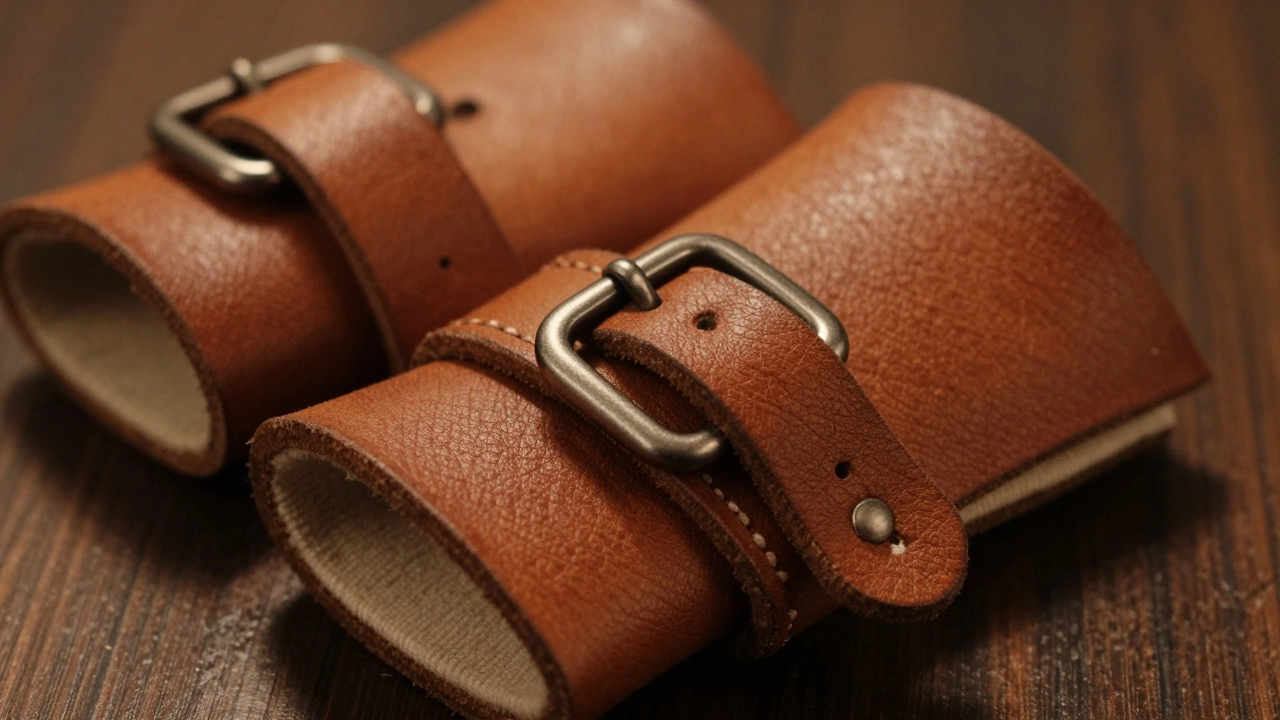
When it comes to kink accessories, material matters-not just for feel, but for ethics. Vegan leather isn’t just a trend; it’s a shift in how people think about pleasure, power, and responsibility. You don’t have to choose between sensation and conscience anymore. Today’s best vegan leather kink accessories deliver the same rich texture, durability, and visual appeal as animal-derived leather, without the cost to animals or the planet. And if you’re curious about what else London’s underground scene offers beyond gear, you might have heard of girls escort in london-a world that, like ethical fetish wear, thrives on consent, aesthetics, and personal choice.
Why Vegan Leather Works Better for Kink
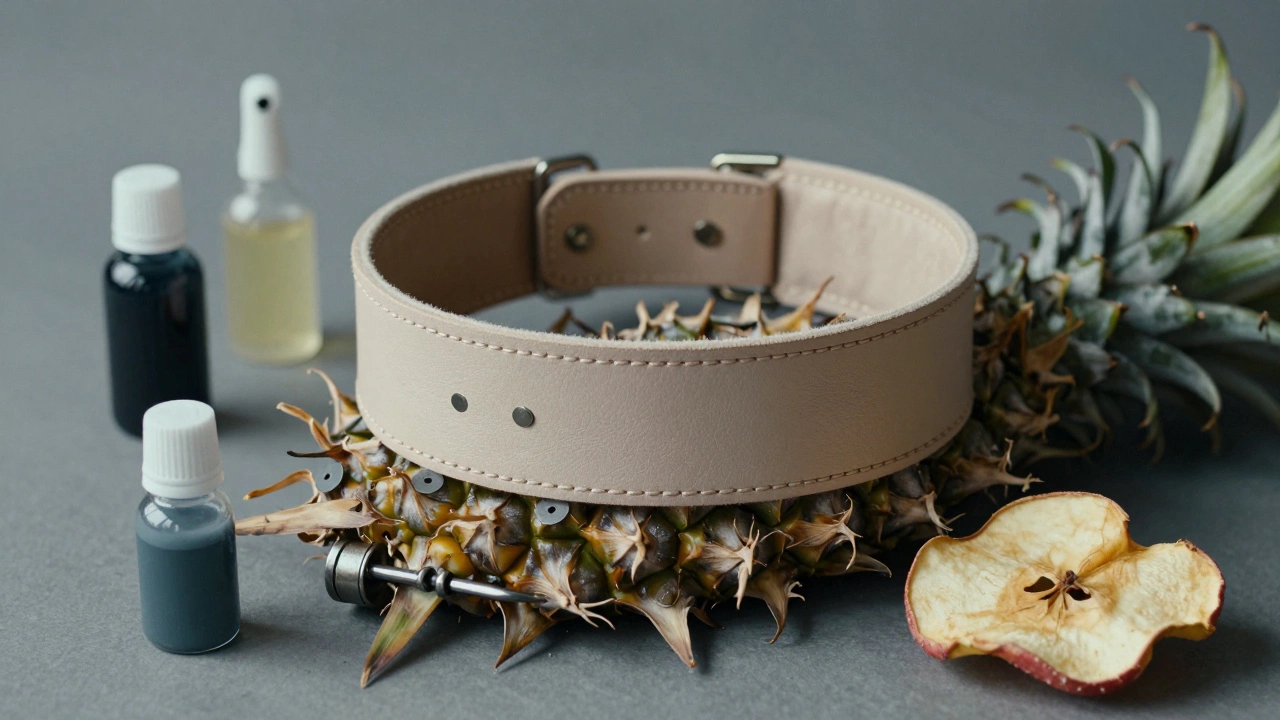
Traditional leather comes with baggage: tanning chemicals, animal suffering, and a carbon footprint that’s hard to ignore. Vegan leather, especially the newer generations made from pineapple leaves (Piñatex), apple waste, or recycled polyurethane, solves those problems without sacrificing performance. These materials are breathable, easy to clean, and hold their shape over time. They don’t crack like cheap faux leather either. High-end vegan leather used in kink gear is often treated with plant-based oils to mimic the suppleness of real hide-something you can feel in a single touch.
Compare that to cheap PVC or vinyl, which often smells like plastic, sticks to skin, and breaks down after a few uses. Real vegan leather doesn’t just last longer-it feels better. It doesn’t trap heat. It doesn’t cause irritation. And it ages gracefully, developing a patina that tells a story instead of peeling off like a bad tattoo.
Top 5 Vegan Leather Kink Accessories You Need
Not all vegan leather gear is created equal. Here are five standout pieces that combine design, durability, and ethical sourcing:
- Vegan Leather Cuffs - Look for ones with adjustable buckles made from recycled metal and lined with soft cotton. Brands like Bound by Love and Velvet & Iron use Piñatex for a slightly textured grip that won’t slip.
- Whips and Floggers - The handles are often wood or bamboo, wrapped in vegan leather for control. The tails? Made from woven polyester or recycled TPU. They deliver impact without the sting of synthetic noise.
- Collars and Leashes - These should have padded interiors and quick-release clasps. Some come with built-in D-rings for leash attachment. The best ones are hand-stitched with organic thread and dyed using non-toxic, water-based pigments.
- Restraint Harnesses - Multi-point harnesses made from layered vegan leather offer support without cutting into skin. Look for ones with internal padding and ergonomic curves designed for comfort during extended wear.
- Ball Gags and Bit Gags - These are often molded from medical-grade silicone with vegan leather straps. The straps are adjustable and lined with microfiber to prevent chafing. No metal parts should be plated with nickel-always choose stainless steel or titanium.
How to Spot Real Vegan Leather (Not Just Cheap Plastic)
There’s a lot of greenwashing out there. Some brands slap “vegan” on a plastic collar and call it sustainable. Here’s how to tell the difference:
- Check the texture: Real vegan leather has slight imperfections, like grain variation or natural folds. Perfectly uniform surfaces? Likely PVC.
- Smell it: True vegan leather smells like nothing-or maybe a faint earthy tone. Strong chemical odors mean solvents were used in production.
- Ask for certifications: Look for OEKO-TEX Standard 100 or GOTS (Global Organic Textile Standard) labels. These guarantee no harmful dyes or toxins.
- Check the back: Flip it over. If you see a fabric backing with a woven pattern, it’s likely a high-quality composite. If it’s just a plastic film glued to a mesh, skip it.
Brands that are transparent about their supply chain-like Rebel Leather Co. or GreenFetish-often post videos of their workshops or list their material sources. That’s a good sign.

Where to Buy Ethical Vegan Leather Kink Gear
Most big retailers still push cheap plastic. The best gear comes from small, independent makers who prioritize ethics over scale. Here are a few trusted sources:
- GreenFetish - Based in Berlin, they use apple leather and ship globally. Their collars come with a lifetime repair guarantee.
- Bound by Love - UK-based, handcrafted in Manchester. All materials are sourced from British and EU suppliers. They offer custom sizing.
- Velvet & Iron - Uses Piñatex and recycled steel. Their website includes a detailed breakdown of carbon offset per item.
- Local Etsy Makers - Search “vegan leather kink UK” and filter by reviews. Many artisans offer bespoke pieces and can match your color preferences.
Avoid Amazon, eBay, or generic fetish sites unless they link directly to the maker’s page. Bulk sellers rarely know where their materials come from.
Caring for Your Vegan Leather Gear
Unlike real leather, vegan leather doesn’t need oiling. But it does need cleaning and protection.
- Wipe down after each use with a damp cloth and mild soap (like Castile soap).
- Let it air dry away from direct heat or sunlight.
- Store flat or on a wide hanger-never crumpled or folded tightly.
- For extra protection, use a silicone-free vegan leather conditioner every 2-3 months. Brands like Leather CPR offer plant-based sprays that restore flexibility without buildup.
With proper care, a good set of vegan leather accessories can last 5-10 years. That’s longer than most people keep their smartphones.
Why This Matters Beyond the Bedroom
Choosing vegan leather for kink isn’t just about avoiding animal products. It’s about rejecting the idea that pleasure has to come at someone else’s expense. It’s a quiet act of rebellion against fast fashion, exploitation, and environmental neglect. When you wear a collar made from pineapple waste, you’re saying: I value design, I value consent, and I value the future.
And if you’re exploring the boundaries of desire in London, you might find that the same people who care about ethical gear also care about ethical connections. That’s why you’ll sometimes hear whispers about sexy london girls escort-not as a commodity, but as a reflection of how people are redefining intimacy with boundaries, respect, and agency.
Common Mistakes to Avoid
- Buying based on looks alone. A shiny black collar might look hot, but if it’s made from petroleum-based plastic, it’ll break fast and smell bad.
- Ignoring sizing. Vegan leather doesn’t stretch like animal hide. Always measure your wrists, neck, or waist before buying.
- Using harsh cleaners. Bleach, alcohol, or Windex can dissolve the surface coating. Stick to water and gentle soap.
- Assuming all “eco” labels are real. Some brands use “biodegradable” as a buzzword when the product still takes decades to break down. Look for third-party certifications.
When in doubt, ask the maker. Most small businesses will answer your questions personally. That’s part of the value you’re paying for.
Final Thoughts: Pleasure Without Compromise
You don’t need to sacrifice quality, style, or sensation to be ethical. The best vegan leather kink accessories prove that. They’re built to last, designed with care, and made without harm. Whether you’re new to kink or a seasoned player, upgrading to ethical gear is one of the easiest-and most meaningful-choices you can make.
And if you’re curious about how people in London navigate desire beyond gear, you might have heard of euro escort london-a space where boundaries, aesthetics, and personal freedom intersect in ways that mirror the values behind sustainable fetish wear.
Is vegan leather as durable as real leather for kink gear?
Yes, high-quality vegan leather made from Piñatex, apple waste, or recycled polyurethane is just as durable as animal leather-sometimes more so. It resists cracking, doesn’t absorb moisture, and holds up better under repeated cleaning. Many users report their vegan leather cuffs and collars lasting 5-10 years with proper care, compared to 2-4 years for lower-grade real leather.
Can vegan leather kink gear be customized?
Absolutely. Many independent makers offer custom sizing, color options, and hardware choices. Some even let you choose the type of vegan material (pineapple, apple, or recycled PU) and add embroidery or laser engraving. Custom pieces often take 2-4 weeks to make, but they’re worth the wait for a perfect fit.
Is vegan leather safe for sensitive skin?
High-quality vegan leather is hypoallergenic and free from the tanning chemicals found in animal leather. Look for OEKO-TEX certified products to ensure no harmful dyes or finishes are used. Many users with eczema or allergies report fewer reactions with vegan leather compared to traditional leather or PVC.
How do I clean vegan leather after use?
Wipe with a damp cloth and mild soap-Castile soap works well. Avoid alcohol, bleach, or abrasive cleaners. Let it air dry naturally. For deeper cleaning, use a vegan leather conditioner every few months to keep it soft and prevent drying. Never put it in the washing machine or dryer.
Are vegan leather accessories more expensive?
Initially, yes-good vegan leather gear often costs $50-$150 per piece, similar to mid-range real leather. But because it lasts longer and doesn’t degrade as quickly, it’s cheaper over time. Plus, you’re paying for ethical production, not exploitation. Think of it as investing in gear that aligns with your values.